
01
Early stations — simple lights and signal points established near hazardous approaches.
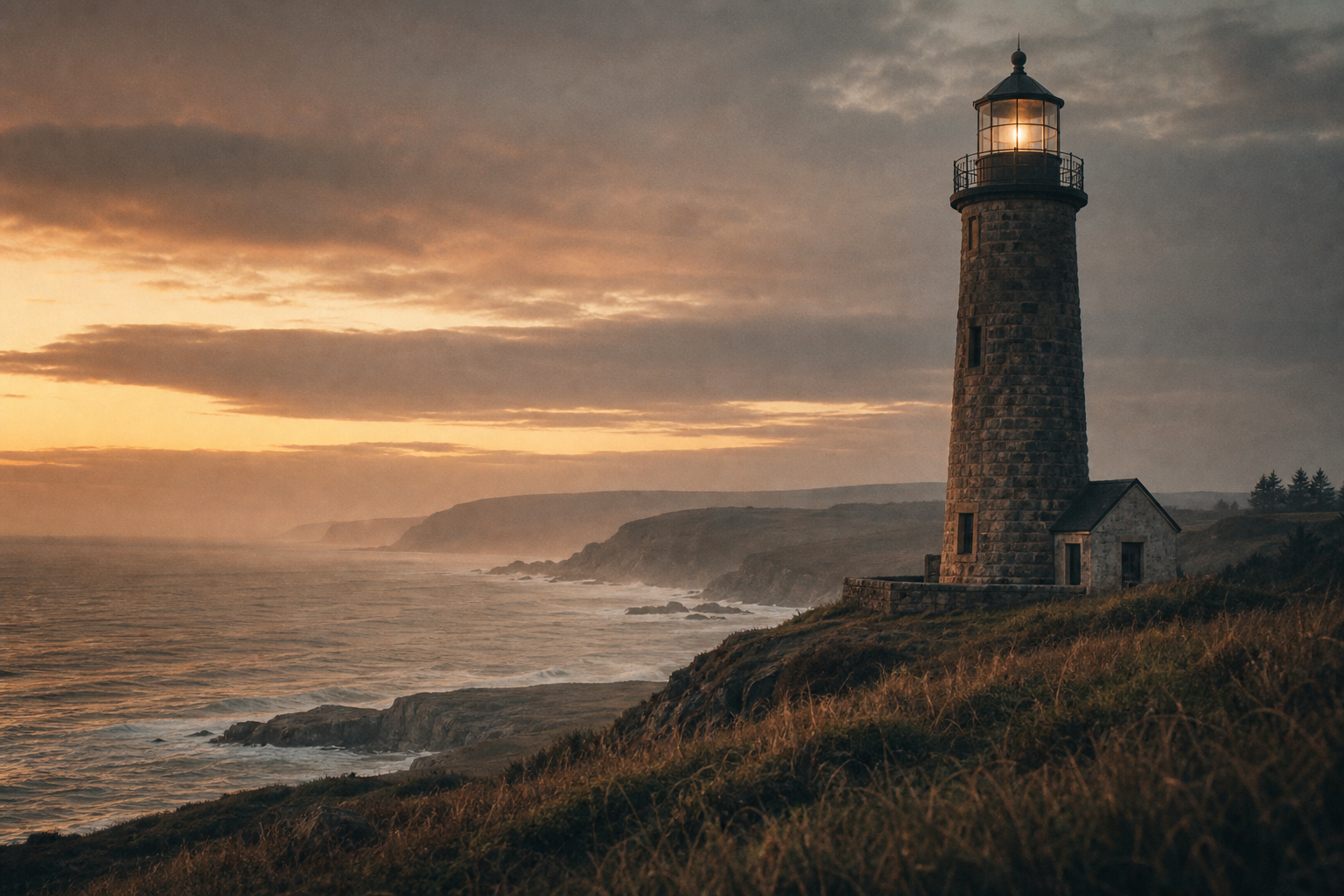
A coastal history reference
Archive photos, keeper stories, and preserved towers gathered into one calm record of the shoreline.
Why they mattered
For generations, these lights marked reefs, guided late arrivals, and gave fishing towns a visible promise that land was near.
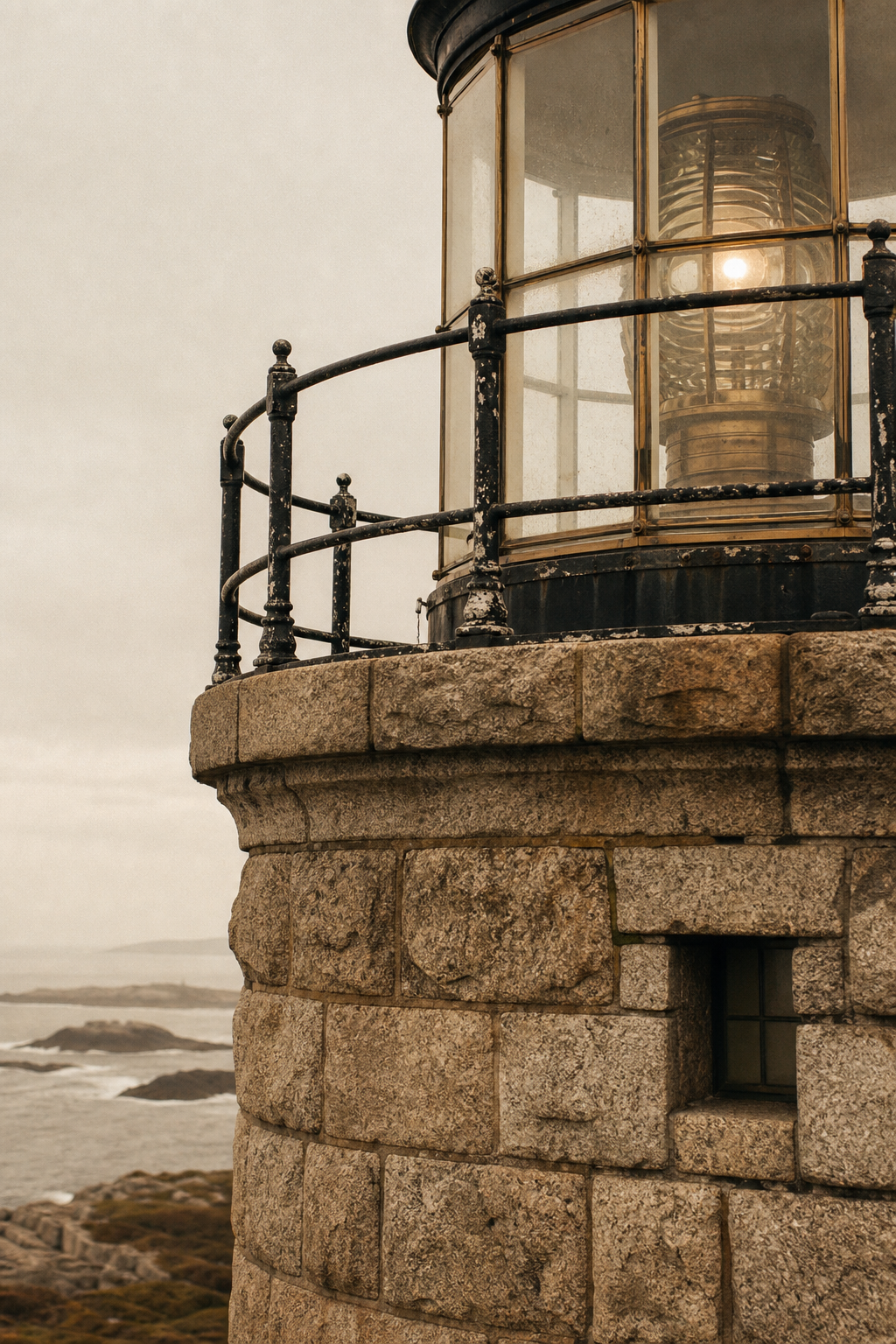
Along the years
From early warning beacons to preservation efforts, the coast's towers shifted with trade, storms, and technology.
01
Early stations — simple lights and signal points established near hazardous approaches.
02
Expansion era — more permanent towers appeared as shipping routes grew busier.
03
Rebuilding years — storms, erosion, and ship traffic reshaped where and how lights were built.
04
Automation — keeper routines changed as manual tending gave way to remote systems.
05
Preservation — surviving towers became heritage markers rather than working necessities.
Lives at the light
Routine, isolation, weather, and watchfulness shaped the people who tended these stations.
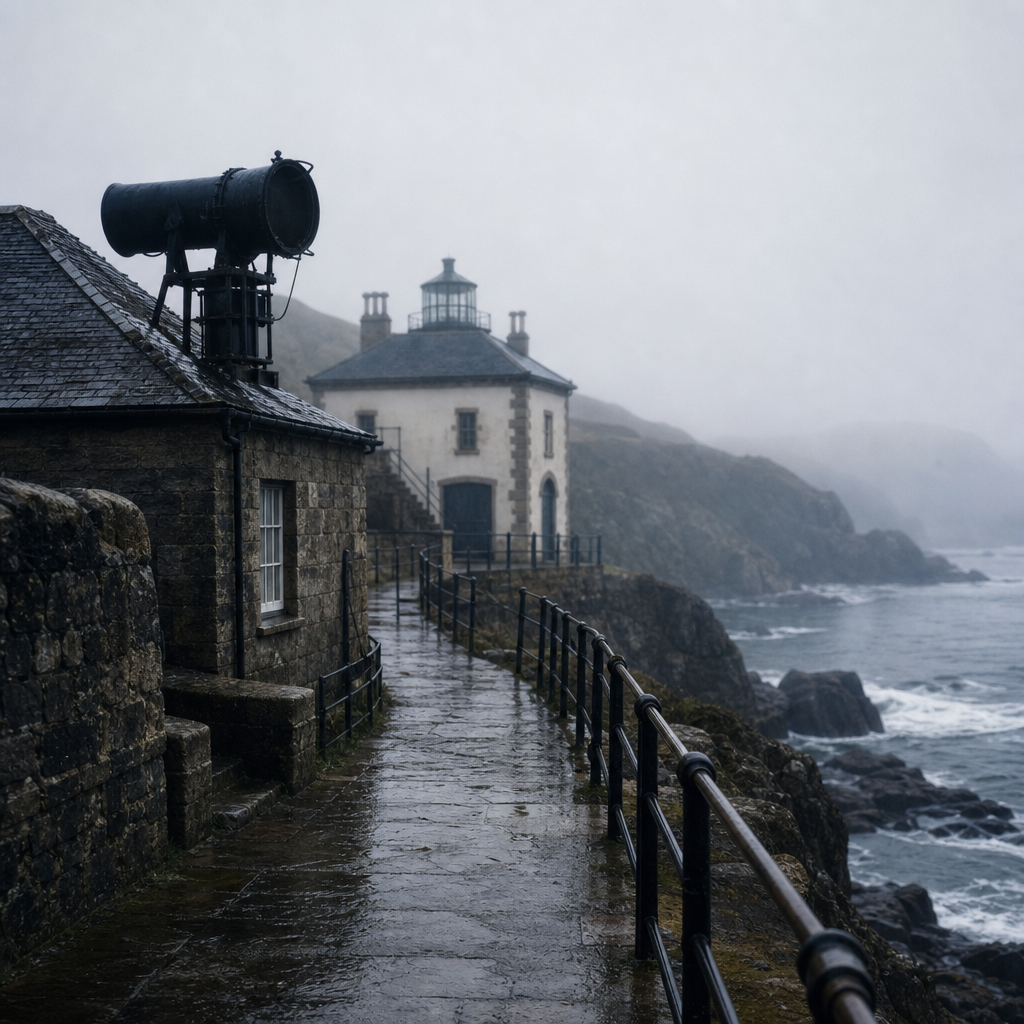
When the sea disappeared into white, the keeper's work narrowed to sound, timing, and faith in the lamp.
“The light had to answer the weather.”
Some towers were workplaces and homes at once, where chores, schooling, and storms shared the same walls.
“Every room faced the sea in one way or another.”
Even when machinery replaced daily tending, local memory kept the keepers' presence alive.
“The tower stayed, even when the job changed.”
From the archive
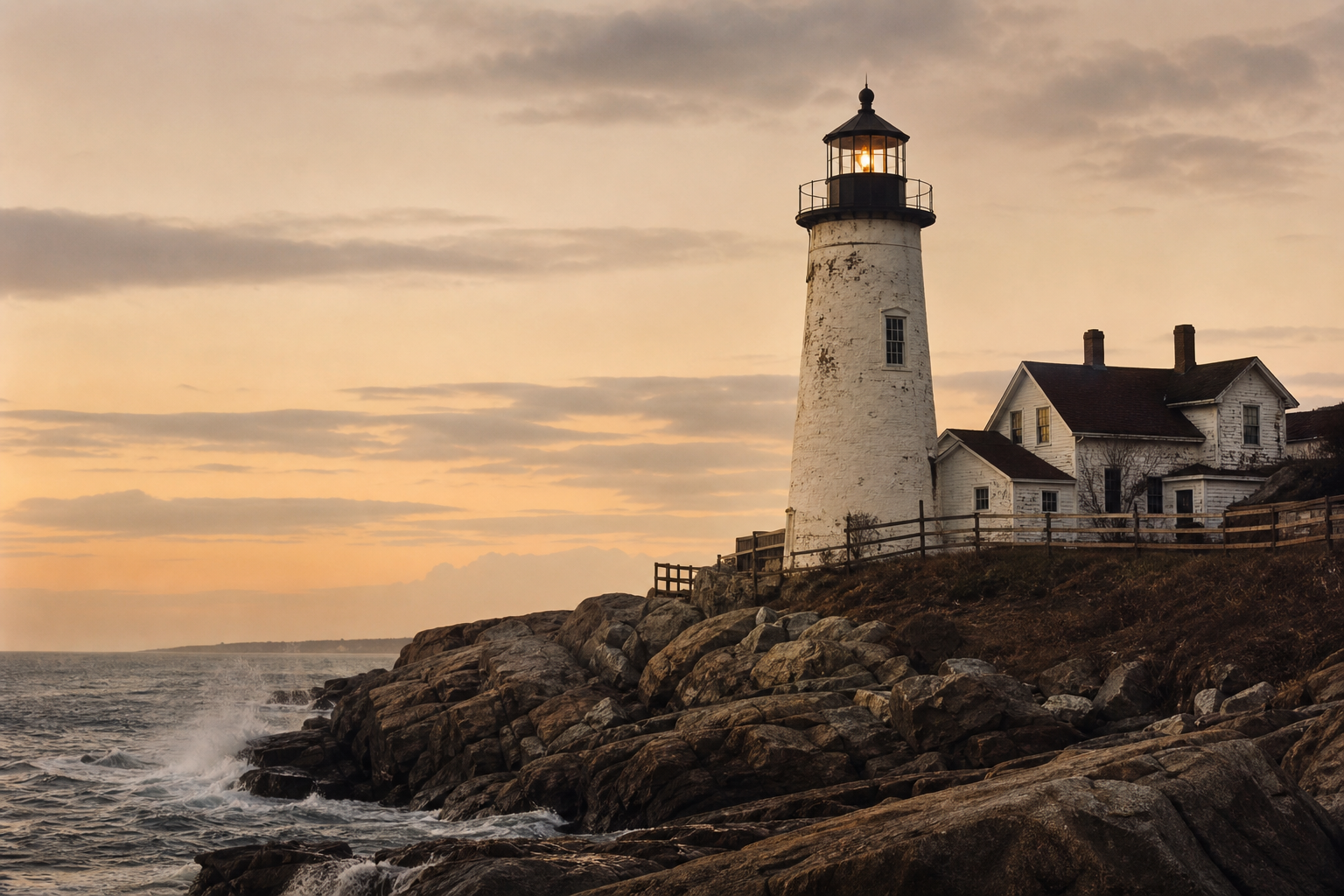
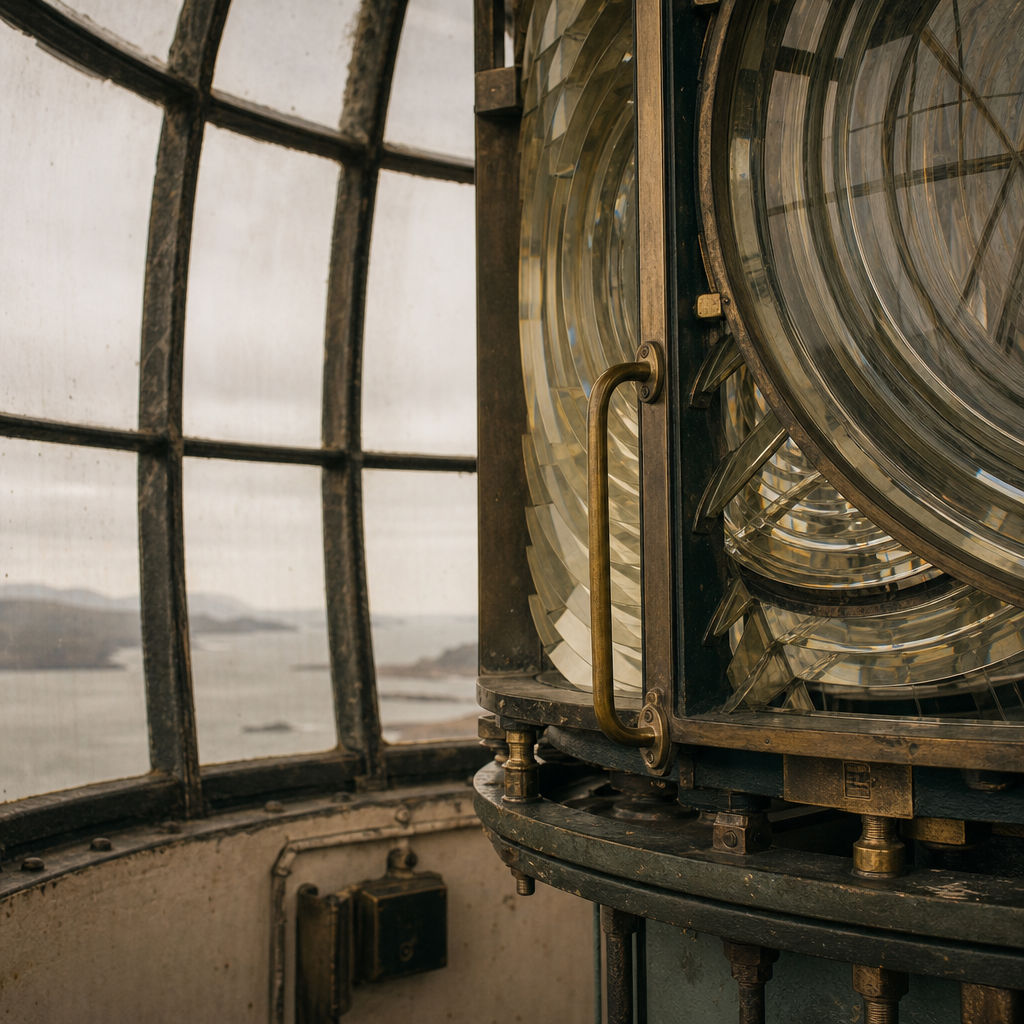
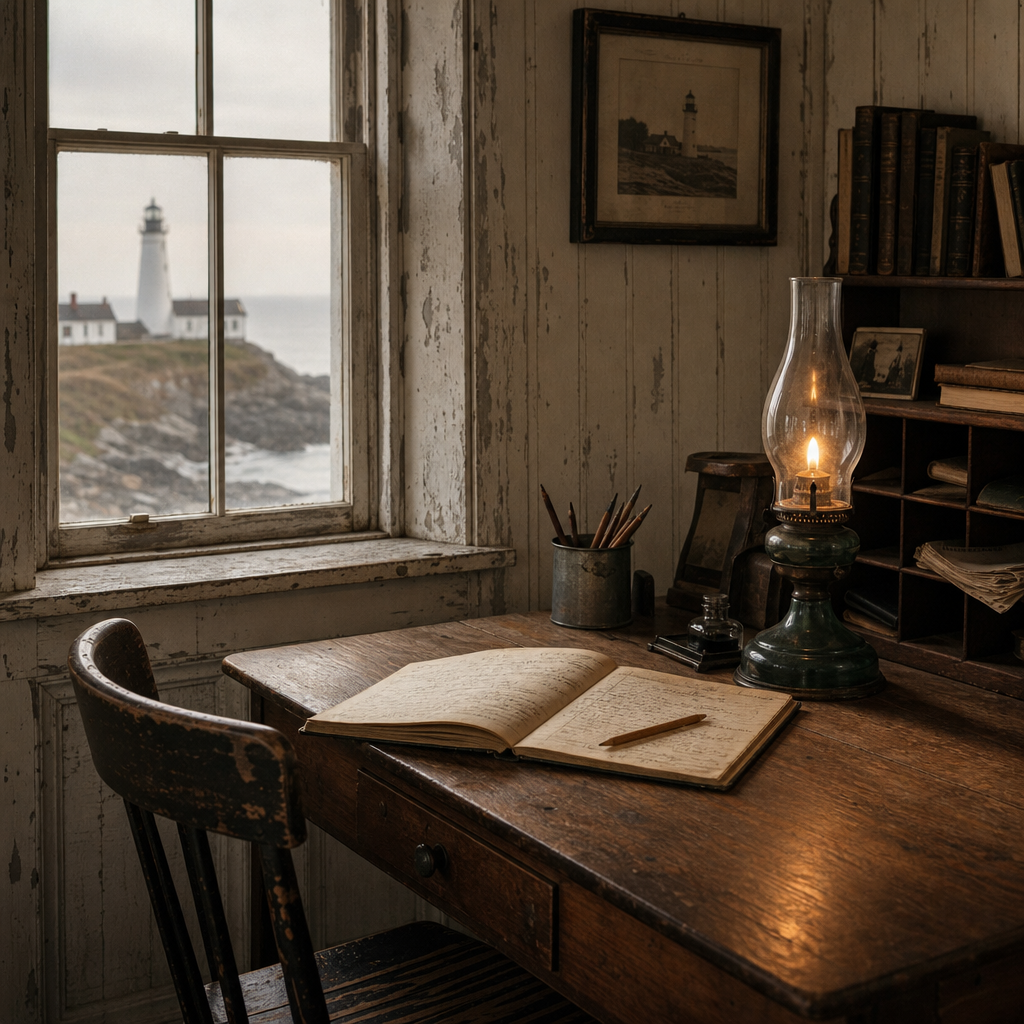
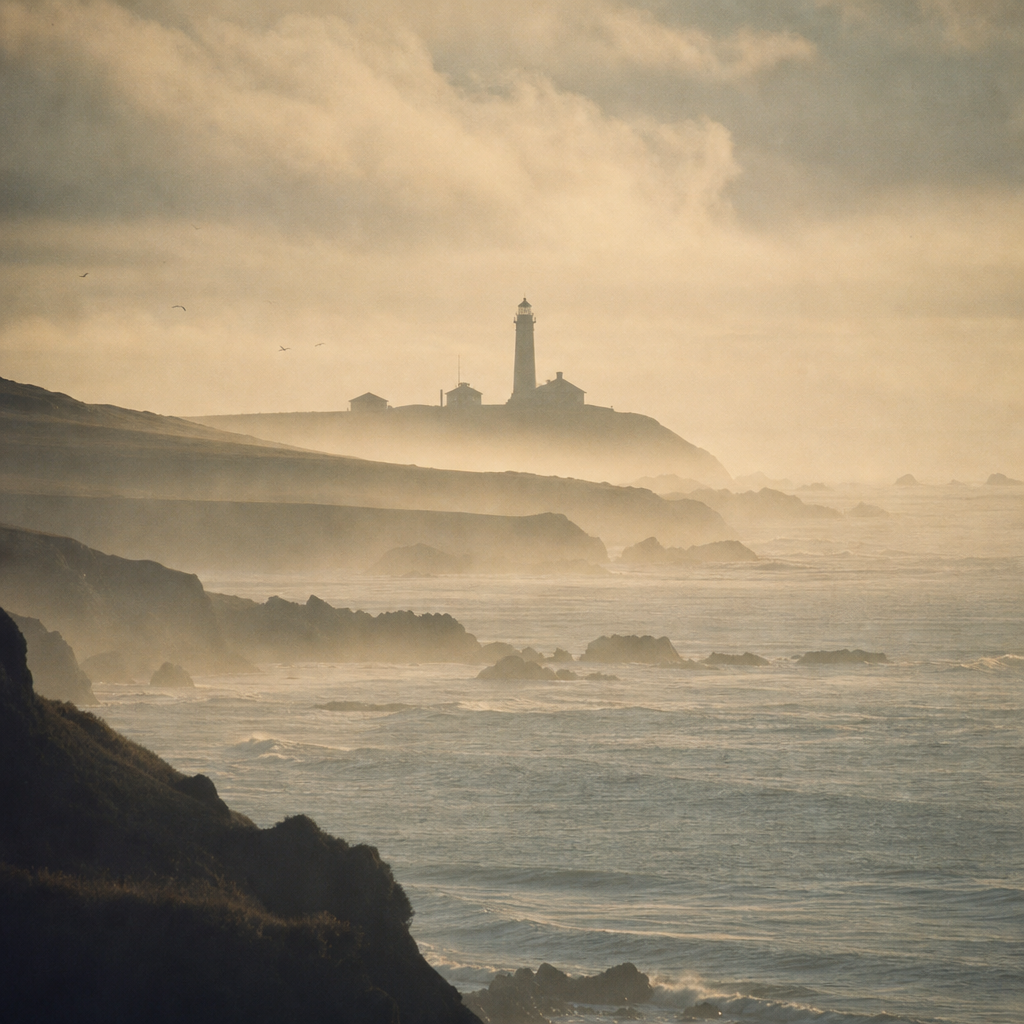
A small visual record of towers, lantern rooms, rocky landings, and the working spaces around them.
Where they remain
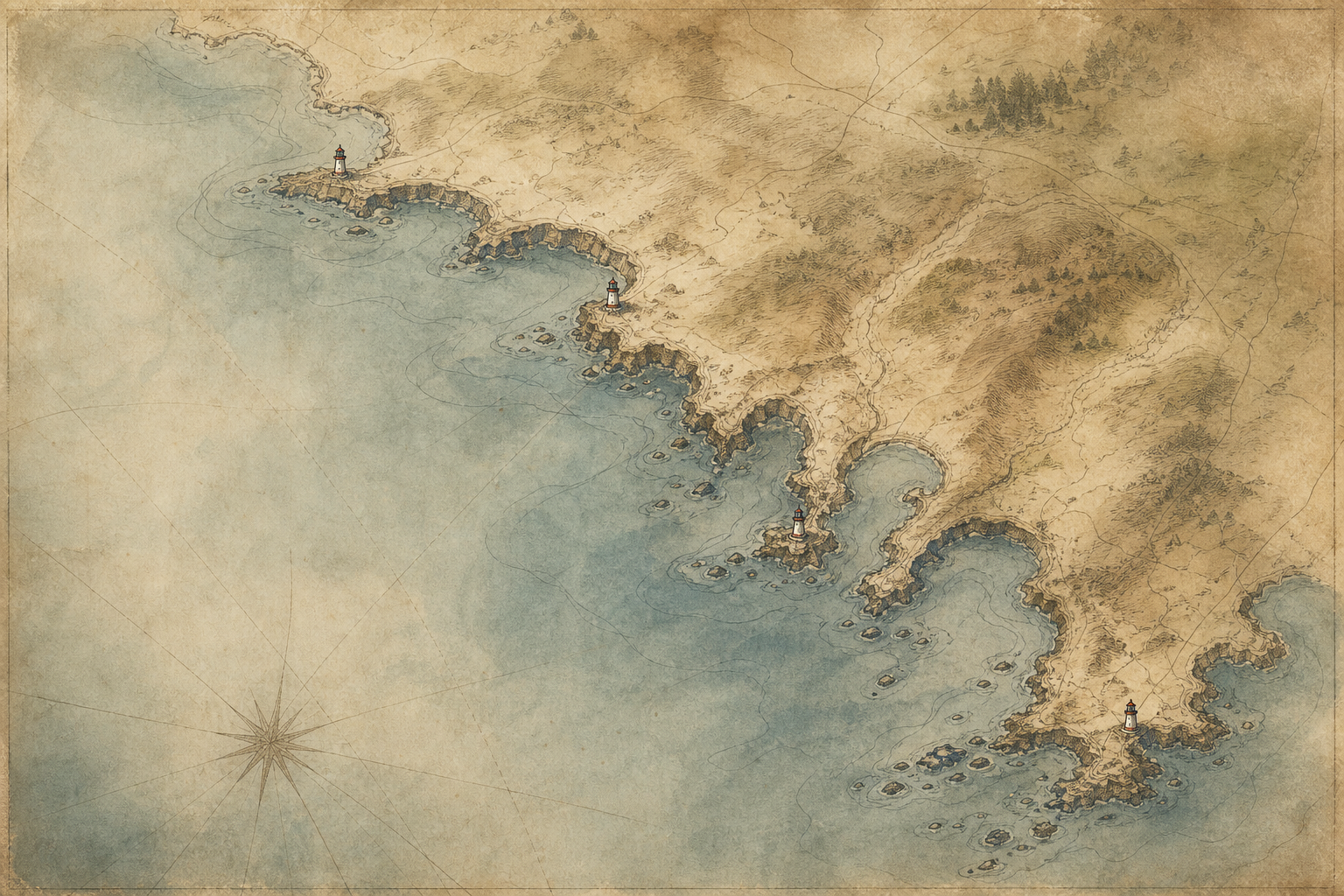
Use this reference view to see where surviving lighthouse sites still shape the shoreline.
Access and condition vary by site and season.
Before you go
Conditions differ from tower to tower, so a little context helps.